




Ascolta la versione audio di questo articolo (generata da IA).
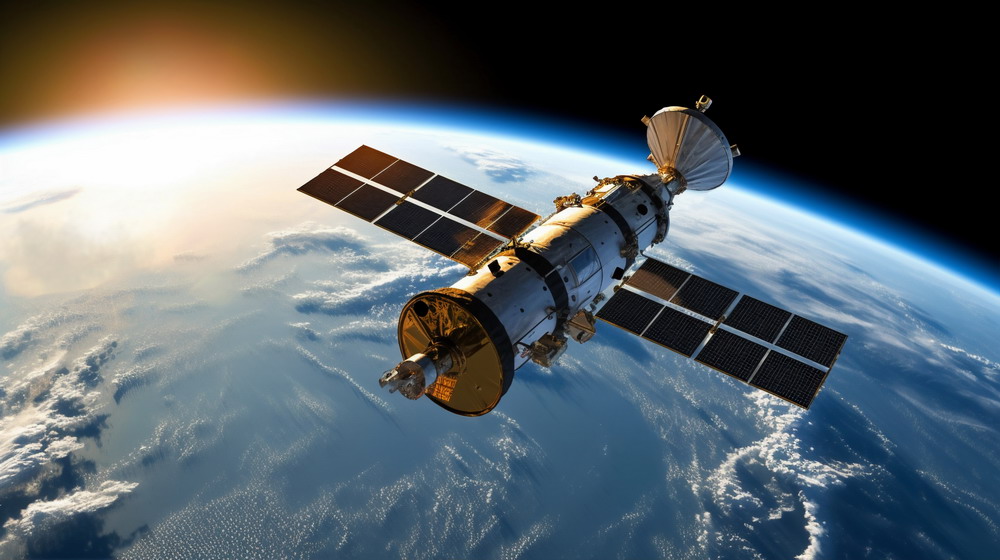
The use of nuclear power in spacecraft for long-term space missions, such as deep space exploration, is not a new concept. Scientific developments in this area began as early as the 1950s, with significant advancements led by the United States and the Soviet Union. However, between the 1990s and 2000s, interest in nuclear power for spacecraft declined due to growing safety concerns, particularly after incidents involving explosions that generated space debris. As a result, nuclear reactors were avoided in several missions.
In recent years, advancements in technology and innovation have renewed interest in the use of nuclear power in space. This revival is driven by initiatives from some national space agencies, such as the development of nuclear propulsion systems aimed at supporting future Moon bases and Mars habitats.
In this context, we performed a comprehensive bibliometric analysis using VOSviewer software to examine trends and patterns in nuclear-powered spacecraft research. The analysis covers 2,592 English-language conference and journal papers published between January 1, 1960, and June 30, 2025, indexed in the Scopus database using the search terms “nuclear” AND “spacecraft”. These publications were selected for their relevance to nuclear power applications in spacecraft. The bibliometric results include analyses of international collaboration networks and research theme clusters.
The co-authorship analysis reveals that the United States is the most active country in this field. However, U.S.-based research tends to be domestically focused, with limited international collaboration. In contrast, European countries show moderate engagement and tend to collaborate more regionally, possibly due to greater caution regarding nuclear safety and security. China and Japan demonstrate some interconnection but have yet to match the research volume of the United States. Interestingly, emerging contributors in this field include India, Iran, and Saudi Arabia.
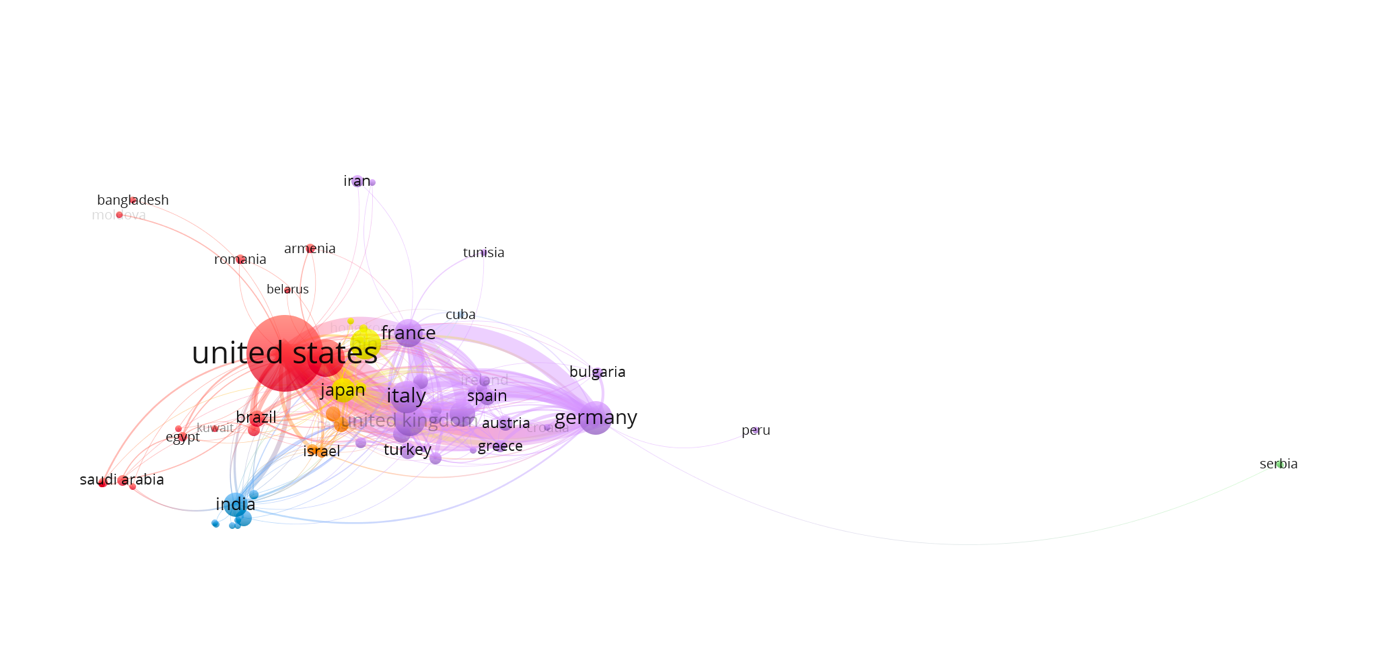
(co-authorship analysis)
The co-occurrence analysis of research themes reveals four main clusters, identified by color in the VOSviewer visualization:
Purple – Nuclear Thermal Propulsion (NTP) and Nuclear Electric Propulsion (NEP)
This is the largest cluster and highlights the two primary technological approaches within the broader field of nuclear propulsion for spacecraft, particularly for missions beyond low Earth orbit (LEO).
Green – Radioisotope Sources and Safety
This theme focuses on radioisotopes used as fuel sources in nuclear power systems, particularly Plutonium-238 (Pu-238), which powers Radioisotope Thermoelectric Generators (RTGs). Other isotopes explored include Polonium-210, Strontium-90, Curium-244, and Americium-241. Among these, Pu-238 is widely considered the safest and most reliable for outer space missions.
Red – Radiation Protection and Shielding
Radiation shielding is a critical area of research addressing both internal emissions from nuclear systems (e.g., RTGs and fission reactors) and external threats such as cosmic rays and solar particles. Research focuses on lightweight shielding materials, radiation-material interaction studies, and optimized protective designs to ensure crew and equipment safety during deep space missions.
Orange – Space Debris
Space debris poses a major risk to nuclear-powered spacecraft, with the potential to cause containment failures through accidental impacts or even intentional attacks. Research in this area aims to develop impact-resistant shielding and secure reactor designs to prevent radioactive release and ensure operational safety in debris-rich or hostile space environments.
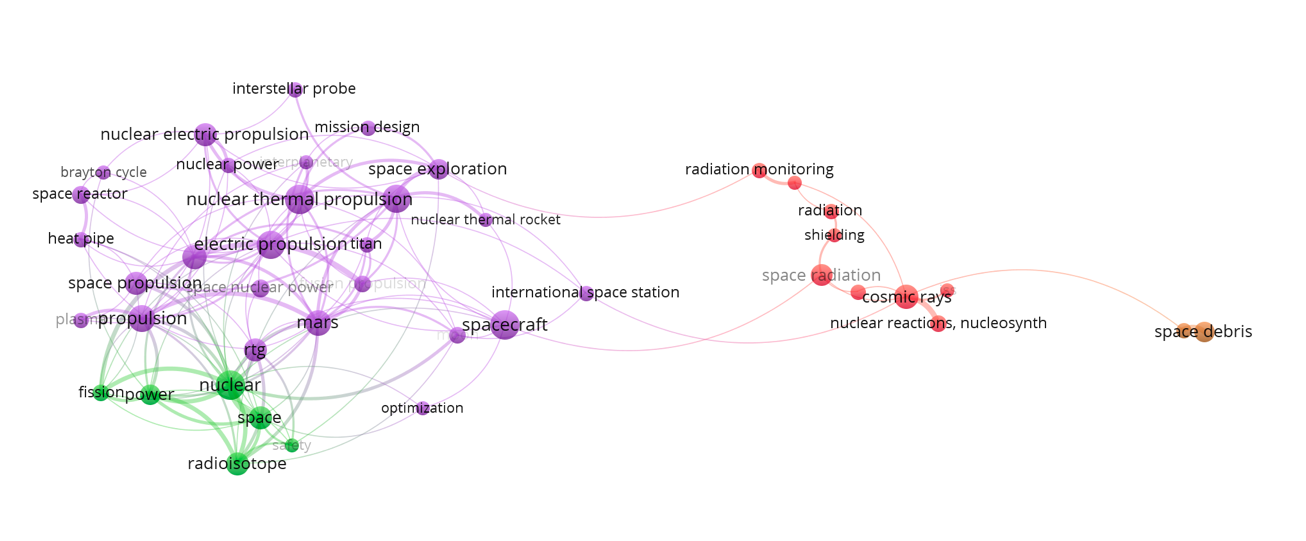
(Co-occurrence analysis)
These four clusters highlight both the potential benefits and risks of using nuclear power in spacecraft, particularly concerns related to radioactive material hazards and the growing threat of space warfare. To ensure the sustainable and responsible use of nuclear power in space, we suggest further expert discussion that could lead to the development of four key strategies:
- Promotion of safer nuclear technology development
- Implementation of radiation and space debris protection standards
- Commitment to peaceful use and anti-militarization policies
- Strengthening of space governance frameworks
These four strategies aim to guide future space missions toward the sustainable, secure, and peaceful uses of nuclear power. Above all, nuclear power in spacecraft must be carefully considered to ensure it benefits all humankind.
Remark: This article was written by Dr. Nonthapat Pulsiri (TBS Education/Chaire SIRIUS) and reviewed by Prof. Victor Dos Santos Paulino (TBS Education/Chaire SIRIUS)