



Ascolta la versione audio di questo articolo (generata da IA).
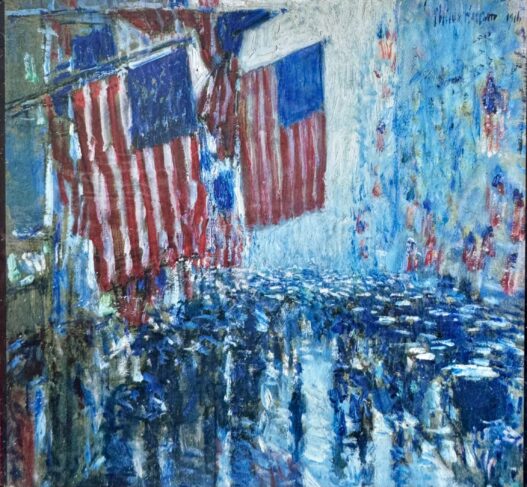
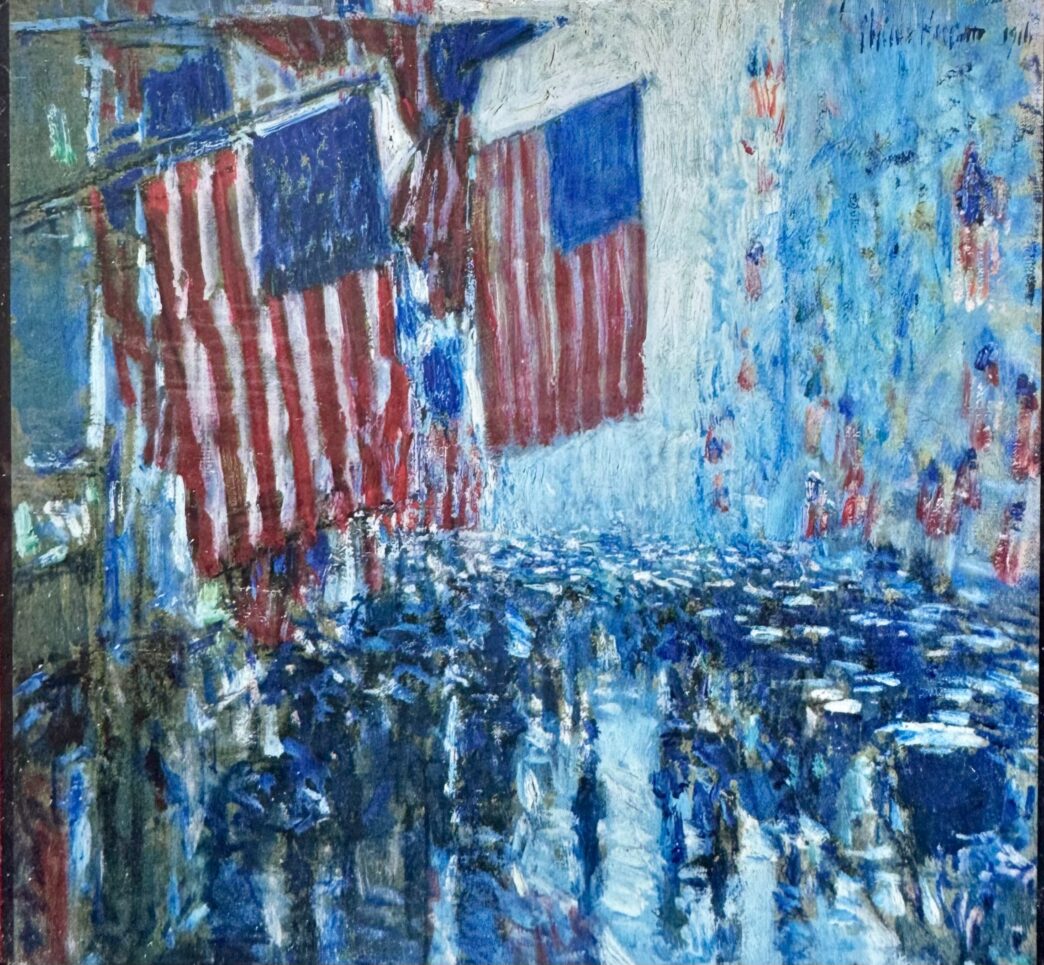
In occasione di una prestigiosa cena a Versailles, la Francia celebrerà in anticipo il 250° anniversario dell’indipendenza americana – la rivolta delle colonie contro un re lontano – alla quale ha contribuito, anche a costo di un fatale squilibrio delle sue finanze e che, a sua volta, ha avuto un grande impatto sulle idee di libertà e uguaglianza e anche sulla Rivoluzione francese del 1789 stessa.
La Dichiarazione d’Indipendenza del 4 luglio 1776 fu redatta principalmente da Thomas Jefferson e adottata dal Congresso Continentale del Paese; il 4 luglio fu proclamato giorno della Festa Nazionale americana. Lo storico contemporaneo americano Jon Meacham ha affermato (in *The Soul of America*) che la consapevolezza della storia è uno dei primi doveri che devono essere imposti a ogni cittadino. John Adams, secondo presidente degli Stati Uniti dopo George Washington, al quale succedette Thomas Jefferson, suo vice presidente (NB: quest’ultimo fu ambasciatore in Francia alla vigilia della Rivoluzione francese), ebbe ben presto la visione dell’”emancipazione della parte schiava dell’umanità su tutta la superficie della terra”.
Intervenendo davanti al Congresso degli Stati Uniti nel settembre 2015, Papa Francesco ha evocato la democrazia profondamente radicata nello spirito del popolo americano; ha affermato che ogni attività politica deve servire e promuovere il bene della persona umana ed essere fondata sul rispetto e sulla dignità; a sostegno della sua argomentazione a favore della libertà e dell’uguaglianza, citò la Dichiarazione d’Indipendenza (“Riteniamo che queste verità siano di per sé evidenti: che tutti gli uomini sono creati uguali, che essi sono dotati dal loro Creatore di alcuni diritti inalienabili, tra i quali la vita, la libertà e la ricerca della felicità”).
La Rivoluzione americana e quella francese, la libertà, l’uguaglianza e la democrazia, lo spirito messianico americano, si fondono così in un tutt’uno, secondo questa rapida ma vertiginosa panoramica storica e filosofica. Qual è la situazione oggi in un mondo caratterizzato da profondi mutamenti e divisioni, in particolare nelle relazioni transatlantiche, soprattutto in un momento in cui sono in corso le guerre in Ucraina e in Medio Oriente?
Non si tratta qui di fare riferimento a un antiamericanismo pavloviano, che in Francia non è mai scomparso del tutto. Del resto, lo sfarzo di Versailles testimonierà non solo il favore, ma anche l’assenza di amnesia da parte del più antico alleato rispetto a una storia comune che affonda le sue radici nell’indipendenza delle colonie americane ed è stata esaltata dalla liberazione del 1945. Dal punto di vista europeo, si tratta di non compromettere il futuro; il presidente degli Stati Uniti riterrà, almeno per un certo periodo, che “Parigi valga ben una messa”, se non vuole che le fratture transatlantiche portino a una nuova Dichiarazione d’Indipendenza da parte di coloro che un tempo erano gli alleati dell’America?

Independence Day at Versailles
At a prestigious dinner at Versailles, France will mark in advance, where the treaty was signed in 1783, the 250th anniversary of American independence – the colonies’ revolt against a distant king – to which it contributed , even at the cost of a catastrophic financial imbalance, and which, in turn, had a major impact on the ideas of liberty and equality as well as on the French Revolution of 1789 itself.
The Declaration of Independence of 4 July 1776 was drafted mainly by Thomas Jefferson and adopted by the country’s Continental Congress; 4 July was proclaimed America’s National Day. The contemporary American historian Jon Meacham has stated (in *The Soul of America*) that an awareness of history is one of the first duties that must be imposed on every citizen. John Adams, the second President of the United States after George Washington – succeeded by Thomas Jefferson, his Vice-President (NB: the latter served as Ambassador to France on the eve of the French Revolution) – very early on envisaged the ‘emancipation of the enslaved part of humanity across the entire face of the earth’.
Speaking before the United States Congress in September 2015, Pope Francis spoke of democracy as being deeply rooted in the spirit of the American people; he stated that all political activity must serve and promote the good of the human person and be founded on respect and dignity; in support of his argument in favour of freedom and equality, he quoted the Declaration of Independence (“We hold these truths to be self-evident, that all men are created equal, that they are endowed by their Creator with certain unalienable rights, that among these are life, liberty and the pursuit of happiness”).
The American and French Revolutions, freedom, equality and democracy, and the American messianic spirit thus merge into a single whole, according to this brief yet dizzying historical and philosophical overview. What is the situation today in a world characterised by profound changes and divisions, particularly in transatlantic relations, especially at a time when wars are raging in Ukraine and the Middle East?
This is not a matter of invoking a Pavlovian anti-Americanism, which has never entirely disappeared in France. Moreover, the splendour of Versailles will bear witness not only to the goodwill, but also to the lack of amnesia on the part of the oldest ally regarding a shared history that has its roots in the independence of the American colonies and was glorified by the liberation of 1945. From a European perspective, the aim is not to jeopardise the future; will the President of the United States not consider, at least for a certain period, that ‘Paris is well worth a mass’, if he does not want transatlantic rifts to lead to a new Declaration of Independence by those who were once America’s allies?