





By Lelio Antonio Deganutti
July 19, 2026
Terakraft is redefining the relationship between digital infrastructure, natural resources, and the development of artificial intelligence. At a time when the rapid growth of AI raises fundamental questions about energy consumption, environmental impact, and technological sovereignty, the company proposes an alternative model: transforming renewable energy and water into an efficient, circular, and responsible infrastructure for AI.
Through its Water-to-Token paradigm, Terakraft is not simply building data centers. Instead, it envisions a new generation of AI Factories capable of combining technological innovation, environmental stewardship, and regional economic development.
How does the Water-to-Token model create a more sustainable AI infrastructure?
According to Terakraft, Water-to-Token is much more than a slogan—it represents a new paradigm of efficiency and sustainability designed to convert nature’s potential energy directly into digital value.
Unlike conventional data centers, which draw large amounts of electricity from national power grids and consume significant volumes of water for cooling, Terakraft has developed an integrated, circular, and locally self-sufficient infrastructure.
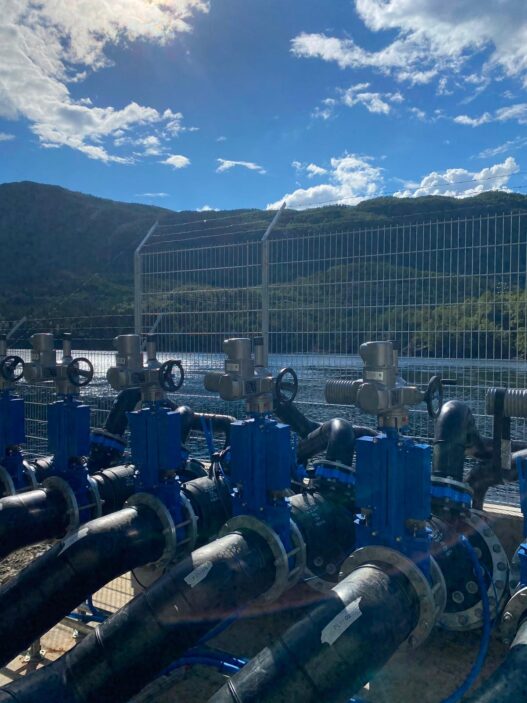
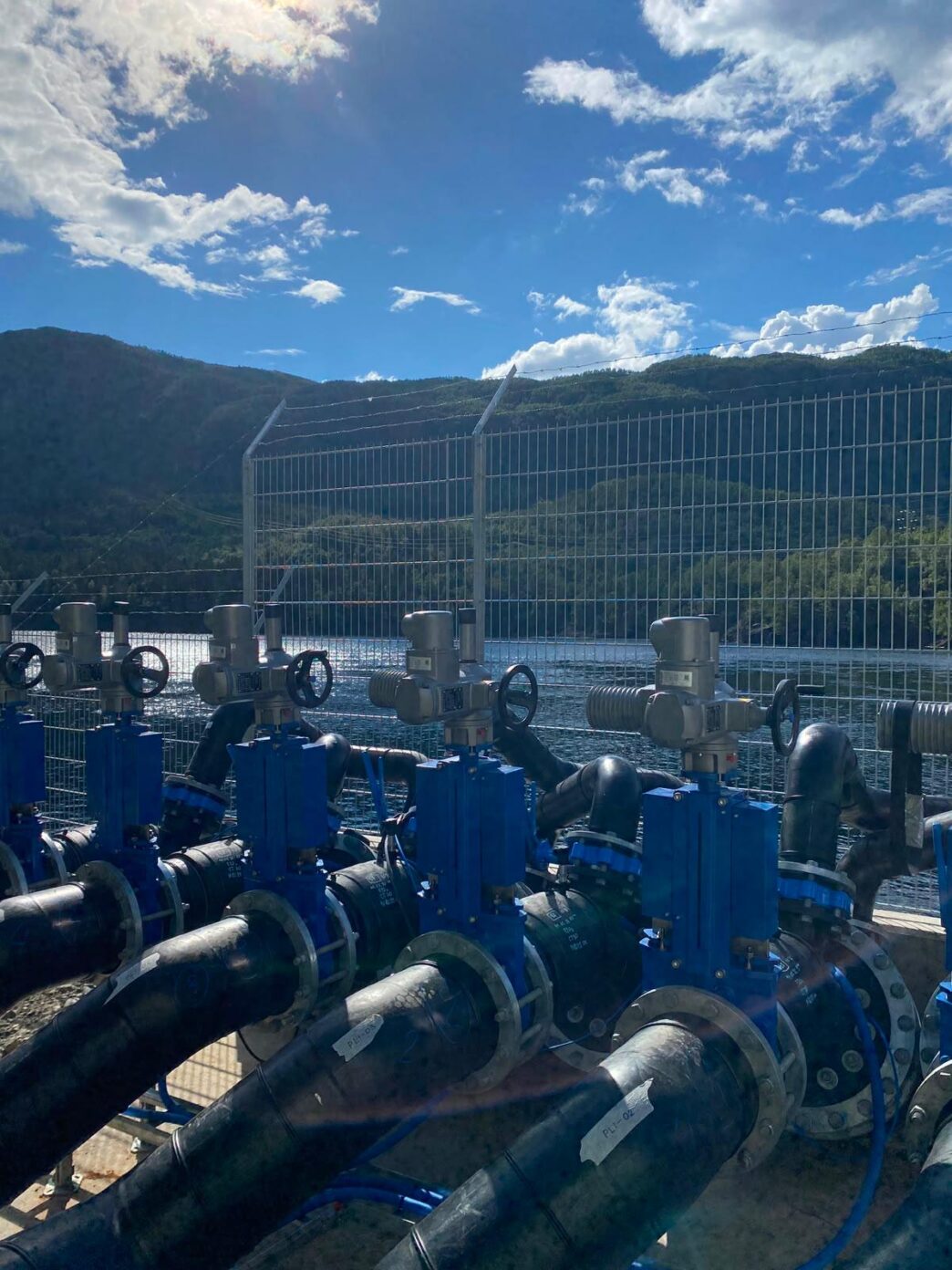
The process begins with water from a high-altitude reservoir flowing through a hydroelectric turbine to generate 100% renewable electricity for powering AI servers. The same water is then used within a closed-loop liquid cooling system that maintains optimal operating temperatures for high-performance processors.
Because the cooling water continuously circulates within the same infrastructure, the system minimizes waste while maximizing energy efficiency. The result is an AI computing platform that delivers high performance with a substantially reduced environmental footprint.
What are the main technical and operational challenges in converting a decommissioned hydroelectric power plant into an AI Factory?
Terakraft explains that the greatest challenge lies in departing from conventional industry practices.
Today’s data center market largely relies on standardized, prefabricated facilities designed for greenfield developments. Even when existing industrial sites are reused, the common approach is often to demolish and rebuild from scratch using standardized modules.
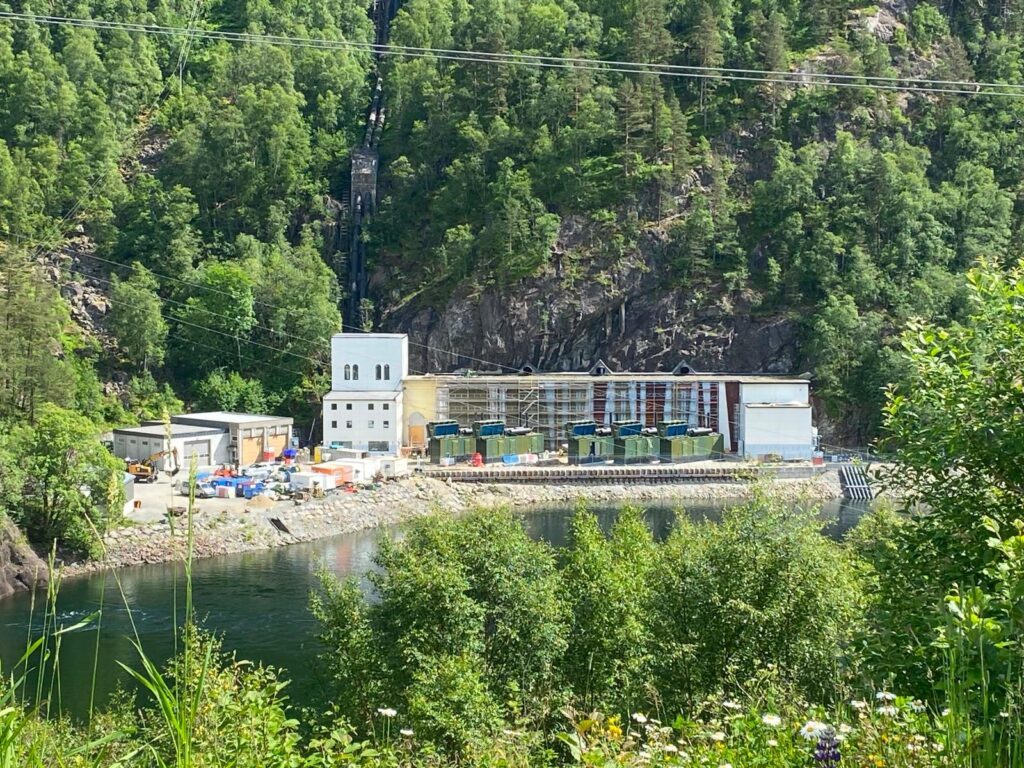
Terakraft instead embraces industrial regeneration, adapting existing hydroelectric facilities through highly customized engineering solutions. Rather than forcing the site to fit a predefined design, the company develops infrastructure around the site’s unique characteristics, preserving structural strengths while addressing technological limitations through tailored solutions.
Operationally, implementing a closed-loop liquid cooling system has required overcoming demanding environmental conditions. In Norway, construction work took place during winter at temperatures as low as -18°C, requiring excavation through frozen ground and concrete work under extreme weather conditions.
Remote locations also created a human capital challenge. Terakraft invested in training local workers with little previous experience in advanced digital infrastructure, helping them develop specialized skills needed for the AI economy.
How does Terakraft demonstrate that its renewable energy and closed-loop water cooling system reduces environmental impact?
To understand Terakraft’s approach, it is useful to consider current industry practices.
Today, approximately 90% of requests processed by large AI models are handled in the United States, where hyperscale data centers are frequently built near major natural gas pipelines, particularly in states such as Texas. Many facilities rely on dedicated gas-fired power generation, resulting in substantial greenhouse gas emissions.
Cooling represents another major environmental challenge. Conventional cooling systems can account for up to 30% of a data center’s total electricity consumption. To reduce energy use, many operators employ adiabatic cooling, which sprays water into incoming air to lower its temperature before it reaches the cooling equipment. While effective, this method consumes enormous quantities of water, often in regions already facing severe drought.
Additional water consumption also occurs at gas-fired combined-cycle power plants, which themselves require extensive evaporative cooling systems.
Terakraft’s Water-to-Token model addresses these issues through a closed-loop liquid cooling system integrated with naturally cold mountain lake water. According to the company, this delivers three measurable benefits:
Cooling energy consumption is reduced to less than 5% of total electricity use.
Greenhouse gas emissions associated with electricity generation are eliminated because power comes entirely from hydroelectric sources.
Net water consumption is effectively zero, since the cooling water does not evaporate into the atmosphere but is returned to its original reservoir.
How does Terakraft involve local communities and regional partners?
Terakraft argues that many large infrastructure projects follow an extractive economic model: international contractors arrive, complete construction, and leave without creating lasting local economic value.
The company has chosen a different strategy.
During construction, contracts are deliberately divided into smaller packages, enabling local small and medium-sized enterprises to compete within their areas of expertise. This approach supports regional businesses by generating new contracts and helping companies invest in equipment and long-term growth.
During operations, AI infrastructure requires highly specialized expertise that is often unavailable in rural areas. Terakraft therefore deploys experienced professionals who work alongside local electricians, technicians, and plumbers, transferring knowledge through hands-on training.
The company is also developing educational partnerships with local technical institutes to establish a new professional role—the Data Center Operator—capable of managing all aspects of AI infrastructure, including IT systems, electrical equipment, and liquid cooling technologies. Students will gain practical experience through internships at operational facilities.
Can this model be replicated across Europe?
Terakraft believes scalability should not be confused with standardization.
If scaling means deploying identical infrastructure on undeveloped land, the company deliberately rejects that approach. Instead, it views every location as unique, requiring engineering solutions adapted to existing environmental and industrial conditions.
Although this strategy may not enable the rapid expansion pursued by some competitors, Terakraft argues that it provides three significant competitive advantages.
-First, projects that regenerate existing infrastructure while delivering measurable environmental and social benefits are generally more likely to receive community support and regulatory approval.
-Second, repurposing existing industrial facilities can significantly reduce construction timelines compared with building entirely new data centers.
-Third, the company challenges what it calls the “megawatt illusion.” As AI hardware and algorithms continue to become more efficient, today’s race to secure massive amounts of electrical capacity may ultimately prove unnecessary. Rather than investing in oversized energy infrastructure based on uncertain long-term forecasts, Terakraft focuses on maximizing efficiency and sustainability with the resources available today.
Terakraft presents a vision of AI infrastructure built on renewable energy, responsible water management, industrial regeneration, and regional economic development. Through its Water-to-Token model, the company seeks to demonstrate that high-performance artificial intelligence can coexist with environmental sustainability, technological sovereignty, and long-term value creation for local communities.