





Ascolta la versione audio di questo articolo (generata da IA).
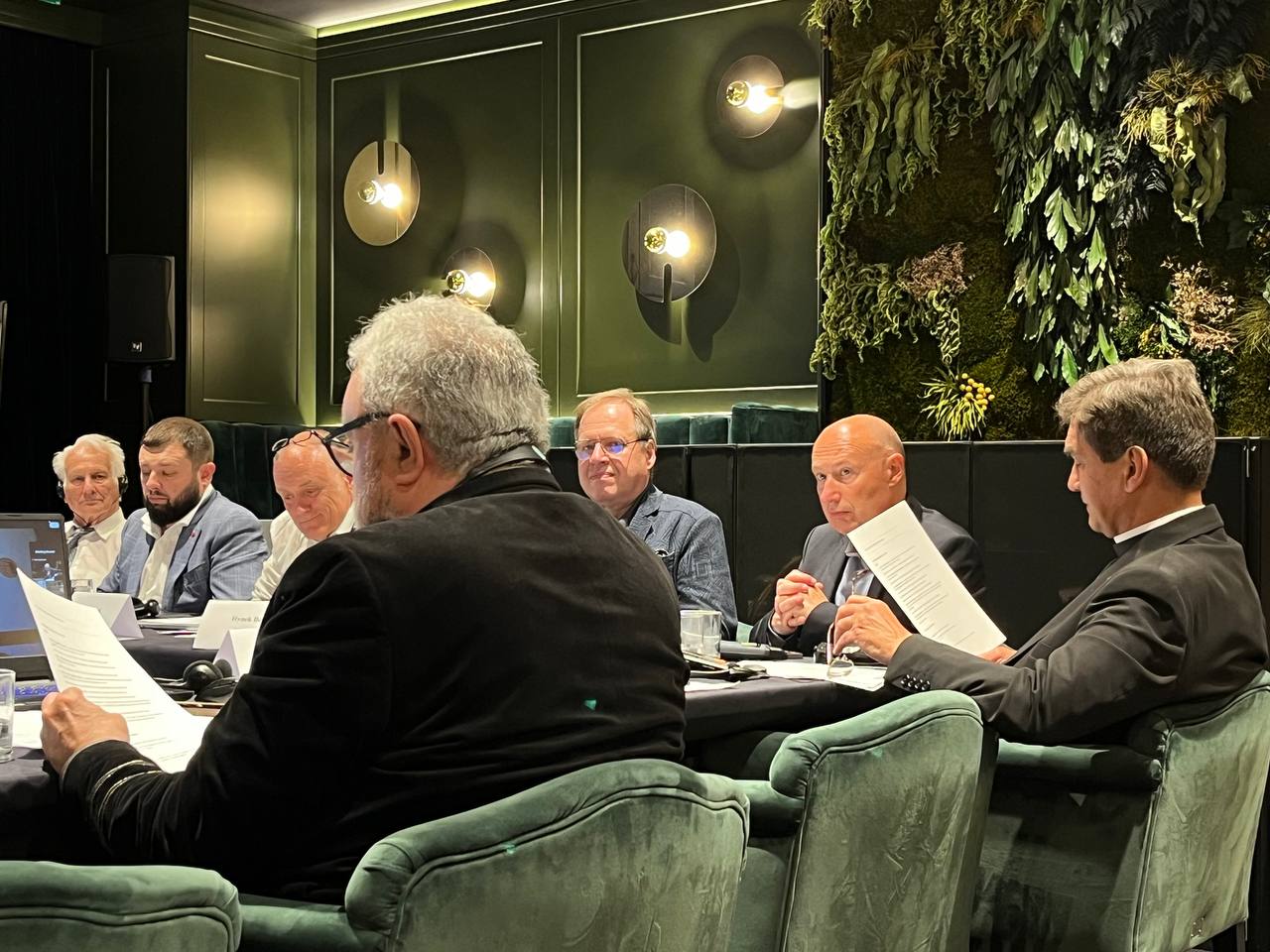
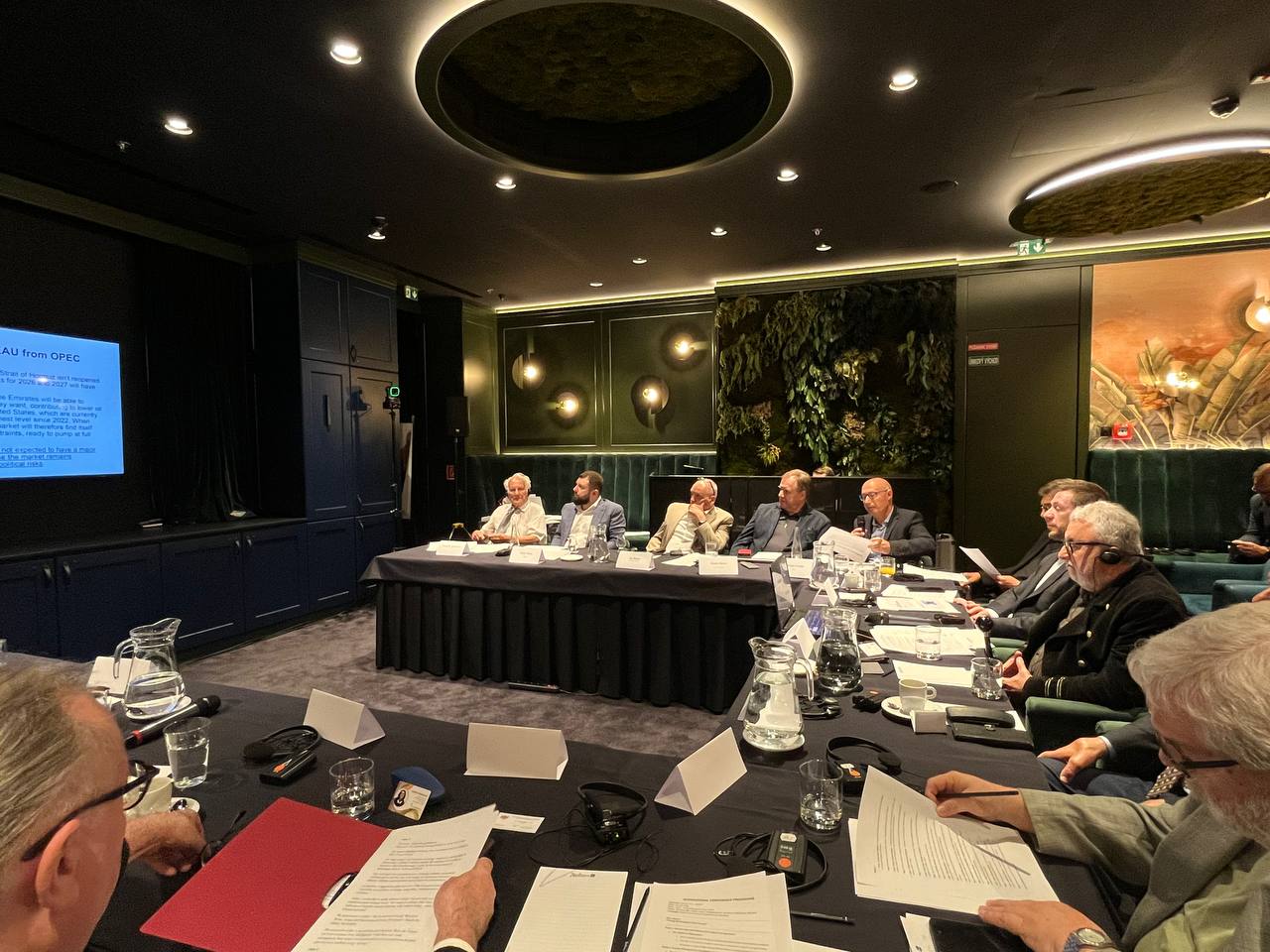
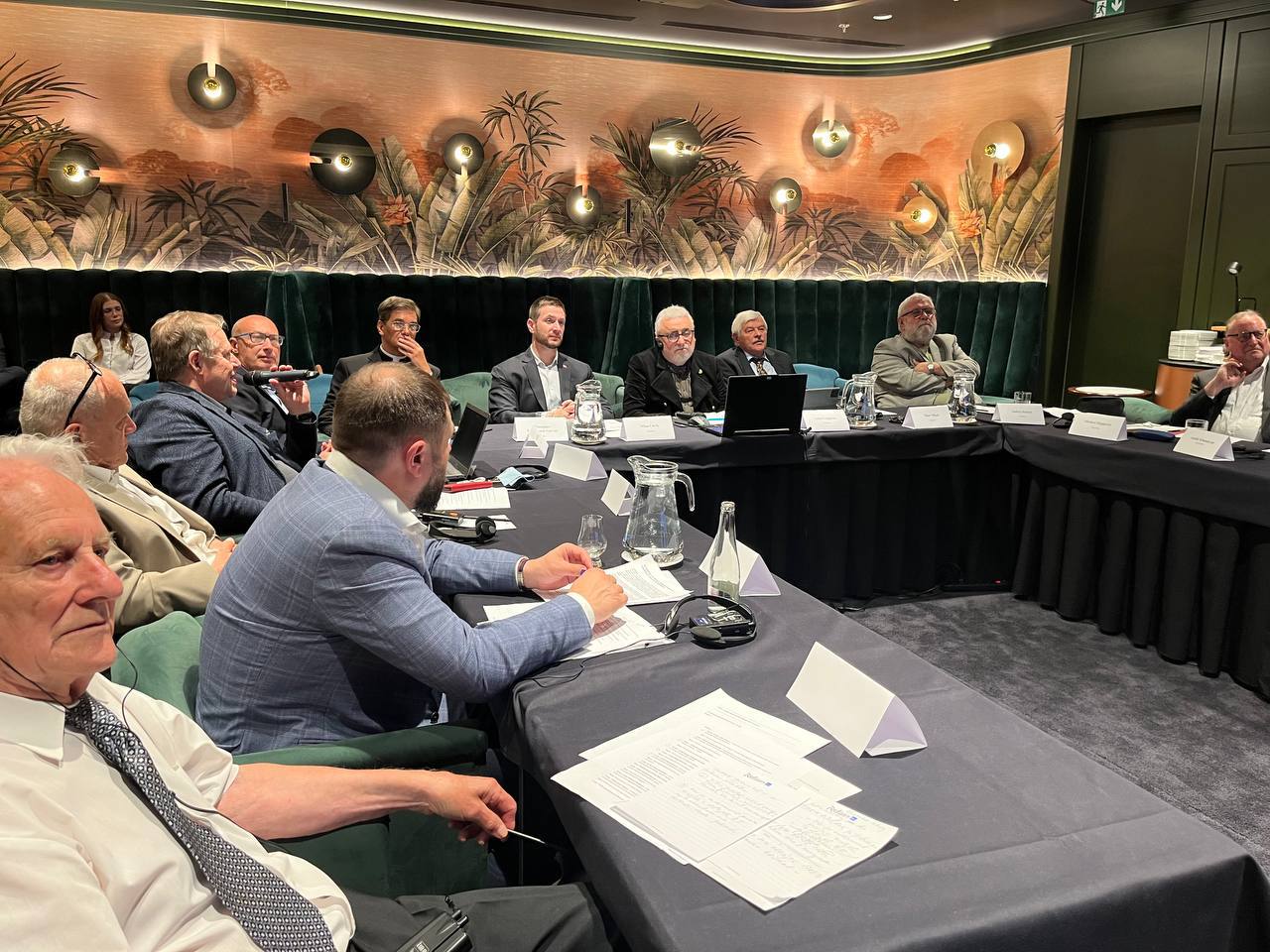
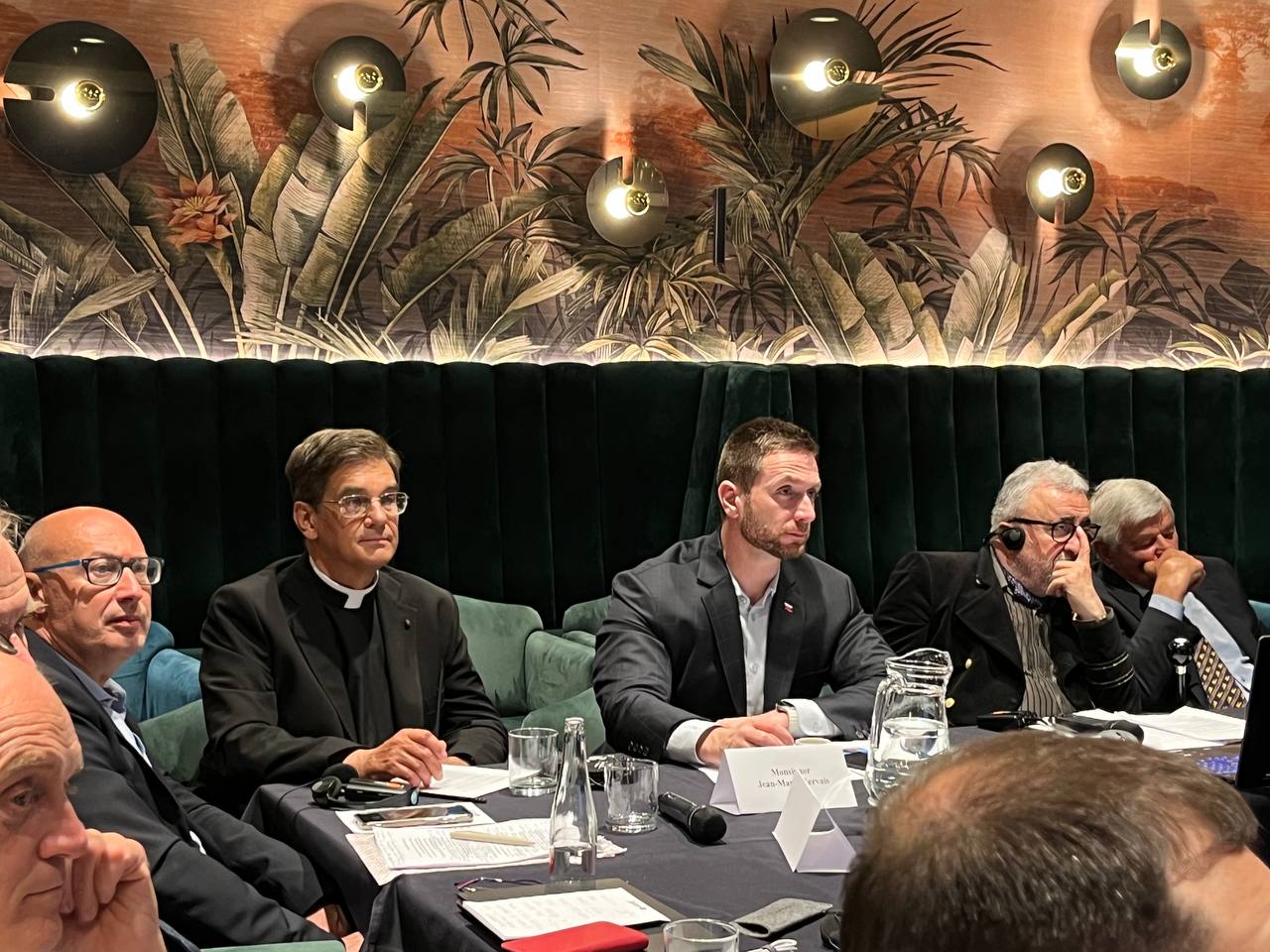
As an entrepreneur, I had the honor of participating in the symposium held in Bratislava on the future of Europe’s energy sector, at the kind invitation of the organizers of the PANAP Club of Vienna and Bratislava.
The event provided an important opportunity for dialogue on one of the most strategic issues shaping the future of our continent. Renowned experts analyzed the current energy landscape, the key challenges, possible solutions, and future development prospects, offering valuable insights and meaningful contributions.
The discussions highlighted the importance of international dialogue and cooperation among institutions, the business community, and the scientific sector, fostering the exchange of ideas and practical proposals to address the challenges of Europe’s energy transition.
My contribution is a modest perspective from the point of view of an entrepreneur: we have needs, we have ideas, we have technologies, we can secure financial support, and we have political backing. It is now time to turn these elements into concrete actions.
I have experience in several sectors, particularly agriculture, construction, renewable energy, and, most notably, biogas.
To keep things simple, what do we need?
Considering the average European citizen’s energy requirements—including electricity, gas, and oil—total annual energy consumption is approximately 14,000 kWh per person. To simplify further:
- Do we produce all this energy ourselves? No. Europe still imports approximately 60% of its energy.
- Can we produce more? Certainly.
- How? Through nuclear power, fossil-fuel power plants, and renewable energy sources.
- In what proportions? More than 48% from renewables (and growing), around 30% from gas and coal, and more than 23% from nuclear power.
Are we satisfied with this situation? Not entirely.
Coal remains responsible for significant greenhouse gas emissions. Nuclear power generates substantial quantities of radioactive waste. Renewable energy sources such as solar and wind power present only limited challenges, mainly related to intermittency and their impact on local landscapes.
It is evident that the most accessible opportunities come from renewable sources, particularly solar, wind, hydroelectric, geothermal, and biogas/biomethane. (Personally, I consider nuclear energy only partially sustainable because of its waste-management issues.)
When I say “accessible,” I refer to relatively simple construction processes, shorter implementation times, the possibility of using existing infrastructure, and investment costs that can often be recovered within a few years.
Most people are already familiar with solar, wind, and hydroelectric power. Governments simply need to coordinate development, manage environmental impacts, prevent speculation, and protect natural resources. The rapid growth of these technologies demonstrates that this is achievable.
My personal view is that we should not focus exclusively on large industrial power plants. Such projects can certainly help meet the needs of major urban centers, but they often generate political disputes, require massive public investments, and involve long construction and payback periods.
Europe has approximately 450 million inhabitants. While only around 800 towns have more than 50,000 inhabitants, around 360 exceed 100,000, and only about 40 have populations above one million. At the same time, Europe contains more than 70,000 small municipalities. In Slovakia alone, nearly 95% of municipalities fall into this category.
WHERE AM I GOING WITH THIS?
Ants and bees can teach us an important lesson: thousands of small units working together can achieve self-sufficiency. You do not find anthills containing millions of ants or single giant beehives serving entire regions.
Can we apply the same principle? I believe we can. Let us consider biogas and bio-methane as examples.
Biogas plants not only produce electricity and methane; in agricultural applications, their by-products are mainly fertilizers and water. In facilities processing organic municipal waste, they also provide an effective waste-management solution for local communities.
A typical biogas plant can easily generate 2 MW of power, enough electricity for approximately 600–700 homes. Such a facility requires relatively little land, produces minimal pollution, uses agricultural residues, energy crops, or animal manure as feedstock, and returns nutrients to the soil in the form of fertilizer.
It can generally be built within 18 months, although roughly half of this time is often consumed by bureaucracy and permitting procedures—a process that should be streamlined. Biogas plants use existing local infrastructure, create jobs, and encourage the productive use of uncultivated land and agricultural waste.
Let us consider Italy as an example.
Italy has more than 2,000 biogas plants. If we assume an average capacity of 1 MW per plant, and conservatively estimate that each facility can supply around 500 homes, then 2,000 plants can provide energy for approximately 1 million households.
If these plants are combined with photovoltaic systems of similar capacity, the number of households served could increase significantly, potentially reaching 1.5 million.
Now let us look at Slovakia.
- Slovakia has only about 100 biogas plants.
- The average rural municipality has around 2,000 inhabitants, equivalent to roughly 600 homes.
- There are approximately 2,500 small rural municipalities.
- On average, each municipality has around 1,000 hectares of cultivable land.
- A biogas plant typically requires around 300 hectares of dedicated feedstock production, depending on local conditions.
- Slovakia has approximately 450,000 hectares of uncultivated land.
- Agricultural production is largely organized through large farms and cooperatives.
- The country’s large poultry farms produce substantial quantities of manure suitable for biogas production.
This leads to a simple question:
Does it make sense to invest in small agricultural biogas plants across Slovakia?
Only two or three plants per municipality could make a significant contribution. They could be supplied by energy crops, livestock manure, winery residues, brewery waste, or other organic by-products.
Would this encourage more cultivation? Would it support livestock farming?
Would it promote the productive reuse of organic waste?
I believe the answer to all three questions is yes.
And can we see a similarity with anthills and beehives? I certainly can.
WHAT ARE THE CHALLENGES?
The main question is: who will finance these projects?
We need a combination of public incentives, private entrepreneurs, and support from local banks. Can this be achieved through the European Union and the banking system? I believe it can.
However, this is where politics enters the discussion. The European Union is capable of allocating billions of euros to many “priorities”. Whether it will dedicate sufficient resources to energy self-sufficiency remains uncertain.
Yet there is another possibility.
If the EU establishes appropriate incentive mechanisms and reduces Europe’s dependence on imported energy, private investment funds will almost certainly participate. Large institutional investors are always looking for attractive, long-term opportunities, and public incentives often provide the confidence required to mobilize private capital.
FINAL THOUGHTS
- Major results can emerge from thousands of small actions. Solving one million small energy needs of 2–3 kWh each may be easier than constructing a single massive power plant requiring new infrastructure, enormous investments, lengthy construction periods, and complex waste-management systems.
- Small photovoltaic installations are now relatively inexpensive. In areas with strong wind resources, small wind turbines are increasingly affordable. Farmers with approximately 200 cattle—or equivalent numbers of pigs or poultry—can often support small-scale biogas facilities. Just as micro-hydropower has become viable in many regions, micro-biogas could become an important part of the solution.
My proposal is to begin with a single province and develop a comprehensive pilot project. The local community could organize a range of renewable-energy initiatives, supported by EU or government funding and repaid over time through normal electricity bills.
The results could then be measured, publicized, and used as a model for other provinces, other regions, and eventually other countries.
In this way, energy self-sufficiency would not be achieved through one giant project, but through thousands of small, coordinated efforts working together toward a common goal.
A few years ago, I visited a small town in Sweden where a single biogas plant supplied biomethane to every public bus and taxi in the town. Isn’t that remarkable?