




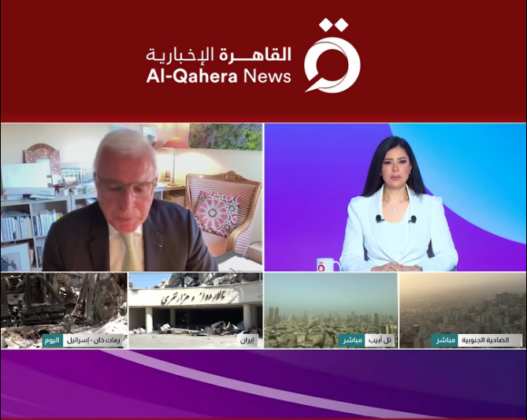
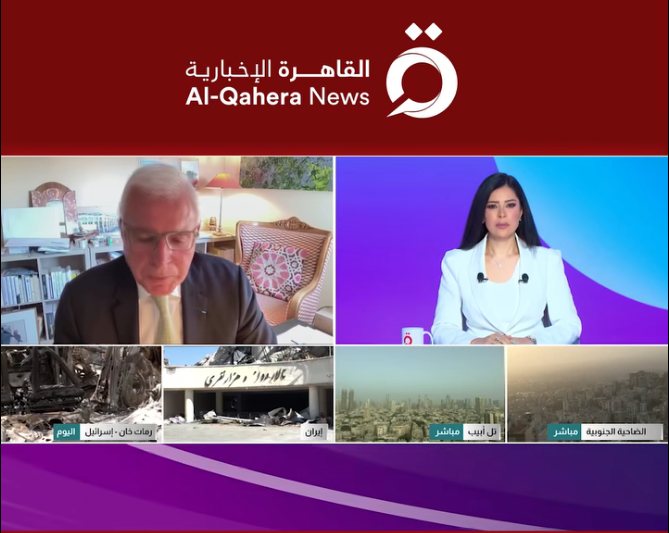
How do you view the European stance criticizing the American approach to the escalation in Iran, especially in light of French President Emmanuel Macron’s statements regarding the lack of seriousness in managing the ongoing conflict?
Thank you for having me on your programme. In fact, I do not believe that there is a unified European stance, but there are coordinated positions. There is a clear stance that we see from the start of this war on Iran: that it was from the outset a war waged “outside the framework of international law”. And now there is an escalation, and whilst the war continues, there are no clear prospects for ending this crisis. There are contradictory statements from the US President, such as a claim that the attacks would end “within two or three weeks”, yet this was followed by the destruction of civilian infrastructure and the undermining of institutions that the people rely on. How can we now claim that we wish to liberate the Iranian people whilst at the same time destroying their infrastructure? We must try to get clarification and do our best to ensure that the conflict will come to and end (…)
How do you assess European moves, particularly those of the UK, envisaging to secure the Strait of Hormuz, and could this develop into effective international action?
I don’t think so; I don’t believe there will be an international coalition of European states. As for the United Kingdom, there is a strong military relationship between us and them, but I believe that their own capabilities are limited. What the French President said previously is that we will not participate in a coalition to open the Strait; the matter would be extremely complex, risky and eventually ineffective; however, in the future we might participate in other efforts to secure the Strait or to escort ships, but that will be at a later stage.