





Ascolta la versione audio di questo articolo (generata da IA).
Since regaining its independence in 1991, Lithuania faces a threat different in nature from those of the past—not armies at the border, but of the spiritual and demographic foundations upon which the nation was built. At present, we cannot be certain whether the Lithuanian state will exist in the coming decades.
The problem lies in the lack of awareness among the elites about the reality in which they are functioning. Much of the elite, while nominally Catholic, appear disconnected from the living faith that once shaped Lithuanian public life—a gap that leaves the nation without the moral compass it urgently needs.
Lithuania is the Land of Mary
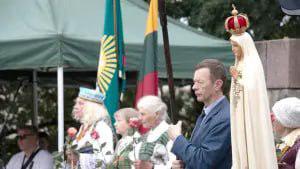
Lithuania began to be called the “Land of Mary” (Latin: Terra Mariana) as early as the 17th century. This title appeared especially after the events of the Swedish Deluge (1655–1660), when Lithuanians and Poles attributed the salvation of the country to the intercession of the Blessed Virgin Mary. In 1655, during the siege of Vilnius by Moscow troops, the inhabitants of the city turned in prayer to Our Lady of the Gate of Dawn (Mater Misericordiae), asking for her protection, which ultimately led to the liberation of Vilnius and victory in that war.
It was then that the cult of the Blessed Virgin began to develop very dynamically in Lithuania, and Mary was recognized as a special patroness of the nation. In 1658, the Lithuanian Sejm officially proclaimed the Blessed Virgin the patroness of the Grand Duchy of Lithuania. Since then, the term “Land of Mary” has functioned both in religious and national contexts, emphasizing the Marian patronage of Lithuania.
A Faith in Name Only?
Three quarters of Lithuanians call themselves Catholic. Yet the churches empty, the cradles too. A faith that does not shape how a people live, love, and die is not faith—it is folklore.
This privatized religiosity, detached from the sacramental life of the Church, risks drifting toward syncretism—blending Christian practice with pagan trends that ultimately dilute it.
The Message of Fatima
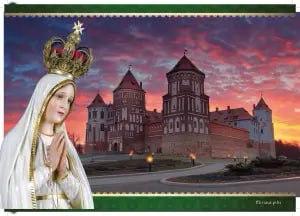
Fatima is not a historical footnote for Lithuania—it is a living wound and a living promise. Mary’s call for conversion, penance, and the rosary was not addressed to Portugal alone. And her warning about the errors of Russia was not metaphor. Lithuanians, who bled under those errors for fifty years, know this better than anyone.
Every year, in the last week of August, a pilgrimage of the statue of Our Lady of Fatima takes place in the parishes of the Šiauliai and Kaunas dioceses, combined with the traditional “Days of Freedom”—symbolizing the anniversary of the withdrawal of Soviet troops from Lithuania. During this pilgrimage, prayers for peace for Lithuania and for the conversion of Russia are held.
This is particularly important in light of the act of consecration of Russia to the Immaculate Heart of Mary, performed by Pope Francis together with the bishops of the whole world in 2022. The promised conversion of Russia—however distant it may seem today—carries within it the hope of a world reordered not by force, but by grace; a hope Lithuania, of all nations, has every reason to take seriously.
The Faithful Remnant
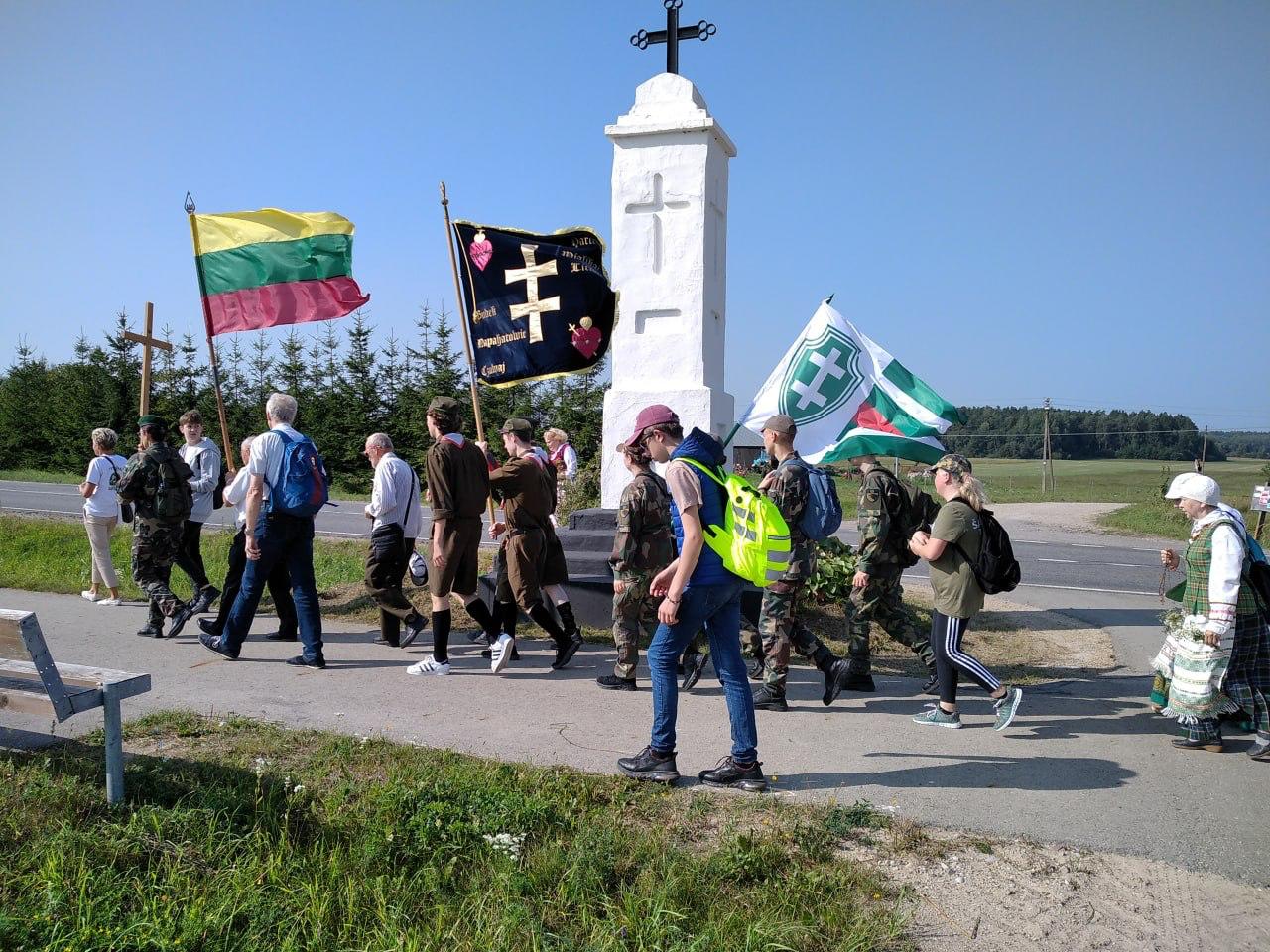
Lithuania is not without its faithful remnant. Across the country, lay Catholics are organizing—defending the family in parliament, marching for life in the streets of Vilnius, refusing the slow surrender that passes for modernity. In October 2024, five thousand people walked through the capital for the first Baltic March for Life. They were not loud enough. They must become louder.
Lithuania has survived invasion, occupation, and erasure. What it has never survived is indifference. The question is not whether Mary will intercede—she already has. The question is whether Lithuanians will answer.