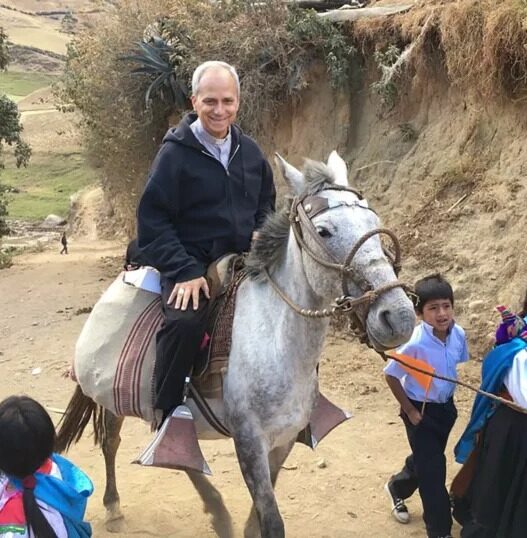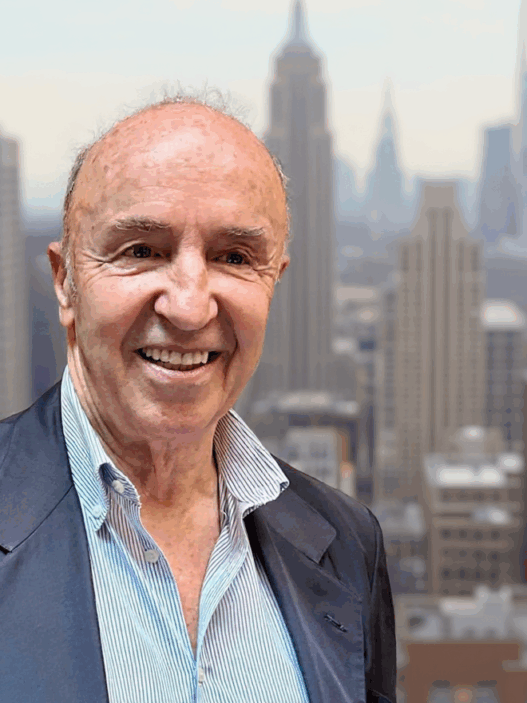




Marco Baragli is a professional flautist and teacher. He graduated from the Conservatory “R. Franci” in Siena and specialized at the Accademia Chigiana in Siena. He has performed as a soloist with major orchestras and chamber music groups. He performed at Buckingham Palace on the day of the coronation of King Charles III and has recorded the CD “My Flowers”. He is interested in collaborations, both occasional and long-term, and is available for events such as festivals and fairs, religious weddings, concerts, private parties, religious ceremonies, civil weddings, wedding receptions, and festivals. Among his favorite artists are Aurèle Nicolet, Jean Pierre Rampal, and James Galway
What were his impressions after performing at Buckingham Palace on the occasion of King Charles III’s coronation? Was it a significant experience for his career?
After performing at Buckingham Palace for the coronation of King Charles III, I experienced intense emotion, entering a completely different world from my own. Living the court etiquette was a unique experience, but at the same time, I enjoyed the privileges as a guest, with exclusive access to every area. Whenever I see King Charles III and his family, the memories of that special performance resurface.
From that moment, my career has taken a new direction, leading me to collaborate with the Kicco Music Record Label in Milan, thanks to the producer Giovanna Nocetti, who has given me ample space to record CDs. To date, I have produced four, including one dedicated to the Jubilee with the Coro La Rocchetta – Renzo Pagani of Palazzolo sull’Oglio, conducted by Maestro Davide Bottarelli. I had the opportunity to perform as a soloist, accompanied by the Fidelio Youth Orchestra.
Even before this prestigious event, I had the privilege of playing with the Moscow Orchestra under the direction of Maestro Valery Vorona, with the Romanian State Orchestra conducted by Maestro Ovidiu Balan, and in the Shanghai Theater. However, after the coronation, the opportunities in England have multiplied, often leading me to perform there. This event represented an important turning point in my career, consolidating my presence on the international scene.
What does the possibility of performing again in Chesterfield Cathedral represent for you? What are the spiritual and musical aspects that bind you to this place?
Performing again in Chesterfield Cathedral is an experience laden with meaning, both on a musical and spiritual level. This place, affectionately known as the Crooked Spire for its characteristic tilted spire, has already witnessed important moments in my career, making it a kind of privileged stage for my art.
The musical bond with the cathedral is made even more special by the collaboration with Choirmaster Peter Shepherd, with whom I have shared performances of great value, even in Italy. My previous participation in the Bach to Bach Day, as the only foreign guest, has made the experience even more significant, confirming my connection with the musical tradition of this place.
This year, the performance takes on an additional emotional value, as, in addition to reuniting with Maestro Shepherd, I will be able to share the stage with my wife, pianist Anna Delli Muti. This combination of elements—friendship, music, the prestige of the location, and the personal connection—transforms the event into a unique occasion, where art becomes a bridge between past and present, between my story and that of a place that now belongs to me. From a spiritual point of view, the church represents a place of worship and reflection, welcoming believers and visitors in search of inner peace. Its centuries-old history, dating back to the 13th century, gives it a sense of continuity and tradition, with liturgical celebrations that have been passed down for generations. Furthermore, legend has it that the devil sat on the spire, causing its twisting, but that in the end, good triumphed. This story adds a symbolic element to the church, strengthening its role as a place of faith and hope.
Can you describe the musical program you will present with Choirmaster Peter Shepherd? What composers and works have you chosen, and why?
The musical program that I will present together with Choirmaster Peter Shepherd is a refined interweaving of eras and styles, creating an enveloping and varied musical experience. We have chosen pieces that span from the Baroque to Romanticism, with a touch of folk tradition and Italian flair.
Together with Maestro Shepherd, I will perform:
G.B. Pergolesi – Concerto in G Major for flute and organ: a vibrant work rich in musical dialogues between the instruments.
Traditional Irish – The Lark in the Clear Air: a delicate and evocative melody that evokes folk atmospheres.
J. Sibelius – Valse Triste: a melancholic dance, imbued with poignant Nordic beauty.
Sir E. Elgar – May Song: a small jewel of sweetness and lyricism.
G. Fauré – Pavane pour une infante défunte: a work with an elegant and introspective charm.
G. Donizetti – Sonata for flute in C Major: a tribute to the melodic brilliance of the Bergamo composer.
With my wife, pianist Anna Delli Muti, I will propose:
P. Sonneville – Mariage d’Amour: a romantic and dreamlike piece, with a great emotional impact.
E. Morricone (arr. Gulli) – The Love Theme from Cinema Paradiso: an intense and nostalgic interpretation of the famous soundtrack.
This musical journey has been conceived to offer a dialogue between eras and suggestions, creating an atmosphere that celebrates the beauty of music in all its nuances.
How have your musical training and religious vocation been integrated and enriched in the course of your career? What are the values you seek to convey through your art?
Music and faith intertwine in a profound dialogue, capable of elevating the soul and bringing it closer to God. I wish to pay homage to the newly elected Pope, Leo XIV, an Augustinian, by saying that St. Augustine affirmed: “Whoever sings, prays twice,” and this truth manifests itself every time the beauty of music becomes prayer, a bridge between the human heart and the divine. The Scriptures themselves invite us to praise God with song: “Sing to the Lord a new song; sing to the Lord, all the earth” (Psalm 96:1).
Music, like faith, is universal: it speaks to everyone, regardless of language or culture, just as God speaks to the hearts of all men. When we gather in prayer and music accompanies our spirit, our predisposition to dialogue with the Lord intensifies, as expressed in Psalm 150: “Praise him with trumpet sound; praise him with lute and harp!”
The values I seek to convey through my art are peace, love, and prayer. Among the pieces that best represent this spiritual dimension, I would like to highlight The Lark in the Clear Air, a traditional Irish song. The lark, from the most ancient cultures, is a symbol of divinity: it soars in the pure air, just as the Spirit of God hovers over creation (Genesis 1:2). Where God is present, a new air is breathed, the same air that only He can create.
Music, therefore, is not only art, but a means to draw closer to the divine mystery, a language that allows us to praise and contemplate the greatness of God. “Let everything that has breath praise the Lord” (Psalm 150:6).
What future projects do you have in mind, both from a musical and pastoral point of view within the Catholic Church? Where will your “musical journey” take you in the coming years?
The future holds exciting projects, both from a musical and pastoral perspective. Among the initiatives already in the works are concerts with the talented soprano Laura Ansaldi, with the aim of bringing the beauty of Italian music beyond national borders. Additionally, I am working on the production of a new CD, again with Kicco Music, which will include the pieces performed in Chesterfield on May 29th, while another recording project is planned for September: a special recording in Vilnius with my dear friends and colleagues, flautists Francesco Bruno and Viktoria Marija Zabrodaité, and pianist Nijole Baranauskaité. Furthermore, towards the end of the year, a concert with my wife, pianist Anna Delli Muti, in San Giovanni Rotondo.
But the greatest dream remains to perform during the Jubilee of 2025 for the Holy Father. This experience would have a profound meaning, because already in the Jubilee of 2000 I had the honor of playing in one of the “52 Concerts on the Lord’s Day,” organized by Monsignor Gioia (Vatican Pilgrimage Office). Renewing this musical tradition in the context of such an important spiritual event would be an indescribable privilege.
The musical journey, therefore, continues to intertwine with faith and vocation, creating a path that unites art, devotion, and sharing.